NABL Certified Profile
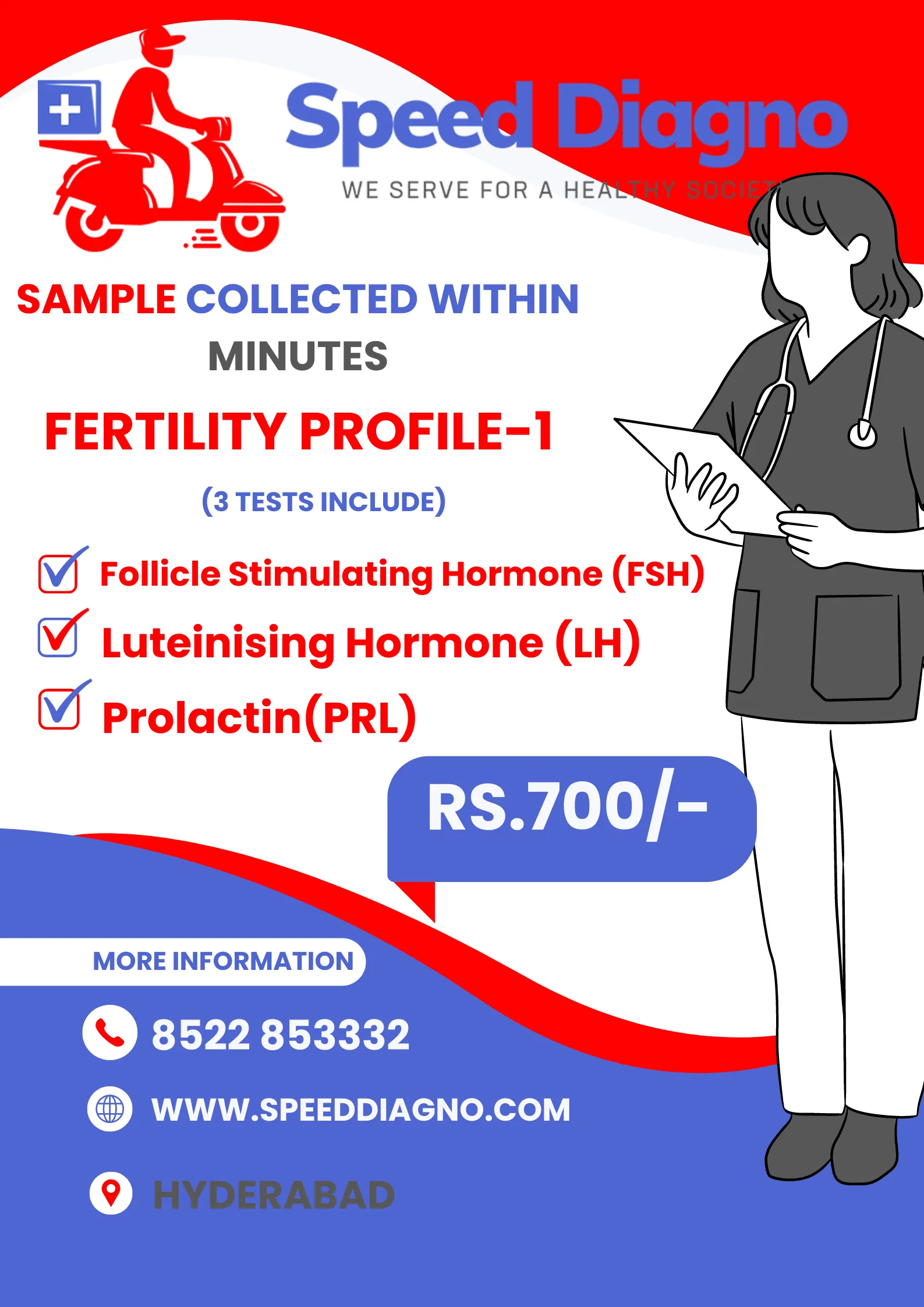
Speed Fertility Profile – 1
The SPEED Fertility Profile-1 is a diagnostic blood test panel specifically designed to evaluate key hormonal factors that influence reproductive health in both men and women. This profile helps in assessing a patient's fertility status and is often used as an initial step in fertility evaluations, particularly for those experiencing difficulties in conceiving. The profile includes tests for three critical hormones: Follicle Stimulating Hormone (FSH), Luteinizing Hormone (LH), and Prolactin. These hormones play essential roles in regulating the menstrual cycle, ovulation, and overall reproductive function.Components of the Fertility Profile:Follicle Stimulating Hormone (FSH):Purpose: FSH is crucial for the growth and maturation of ovarian follicles in women and plays a role in sperm production in men. Measuring FSH levels helps assess ovarian reserve (the quantity and quality of eggs) in women and testicular function in men.Implications: Abnormal FSH levels can indicate issues such as diminished ovarian reserve, menopause, primary ovarian insufficiency, or potential fertility problems in men related to sperm production.Luteinizing Hormone (LH):Purpose: LH triggers ovulation in women by stimulating the release of a mature egg from the ovary. In men, LH is involved in testosterone production, which is essential for sperm production.Implications: Elevated or low LH levels can suggest conditions such as Polycystic Ovary Syndrome (PCOS), pituitary disorders, or potential problems with ovulation timing, which is critical for conception.Prolactin:Purpose: Prolactin is a hormone primarily involved in milk production post-pregnancy, but it also has a role in regulating menstrual cycles. In non-pregnant individuals, elevated prolactin levels can inhibit ovulation and affect fertility.Implications: High prolactin levels, known as hyperprolactinemia, can lead to irregular menstrual cycles, anovulation (absence of ovulation), or galactorrhea (unexpected milk production), affecting fertility.Significance of the Profile:Comprehensive Hormonal Assessment: This profile provides a complete hormonal assessment critical for diagnosing conditions that affect reproductive health.Early Detection of Fertility Issues: Helps identify underlying hormonal imbalances early, allowing for timely intervention and treatment, which can improve the chances of conception.Personalized Treatment Planning: Results from this profile can guide fertility specialists in developing a tailored treatment plan, including medications, lifestyle changes, or assisted reproductive technologies like IVF.Monitoring and Follow-up: The tests can also be used to monitor the effectiveness of fertility treatments and adjust strategies accordingly.Who Should Consider This Profile?Individuals with Irregular Menstrual Cycles: Those experiencing inconsistent or absent menstrual periods.Couples Facing Difficulty Conceiving: Ideal for couples who have been trying to conceive without success for over a year (or six months if the woman is over 35).Women Suspected of Hormonal Disorders: Especially those with symptoms indicative of PCOS, thyroid imbalances, or other endocrine issues.Men with Suspected Fertility Problems: Especially those with known or suspected hormonal imbalances affecting sperm production.Preparation and Procedure:Timing: Blood samples are usually collected in the early phase of the menstrual cycle (commonly on days 2-5) for optimal assessment.Instructions: Fasting may be required, and certain medications may need to be paused before testing, as directed by the healthcare provider.ConclusionThe SPEED Fertility Profile-1 is an invaluable tool in the diagnostic workup for fertility, providing crucial insights into hormonal health that can significantly impact a person’s reproductive potential. By identifying hormonal imbalances, this profile facilitates informed decision-making and targeted fertility care to enhance the likelihood of successful conception.
Report Time
8 Hrs
Tests Included
3
₹749
₹1,500
Save ₹751
Fasting Required
Home Collection Available
Nearby phlebo can arrive within 8 mins
Live
2 nearby
🧪 Included Tests
Tests Included In This Profile
Comprehensive diagnostic parameters carefully selected by healthcare professionals.
Included
LUTEINISING HORMONE (LH)
8 Hrs Report
Home Collection Available
NABL Certified
Included
FOLLICLE STIMULATING HORMONE ( FSH )
8 Hrs Report
Home Collection Available
NABL Certified
Included
PROLACTIN ( PRL )
8 Hrs Report
Home Collection Available
NABL Certified
❤️ Related Profiles
You May Also Like
 Trending
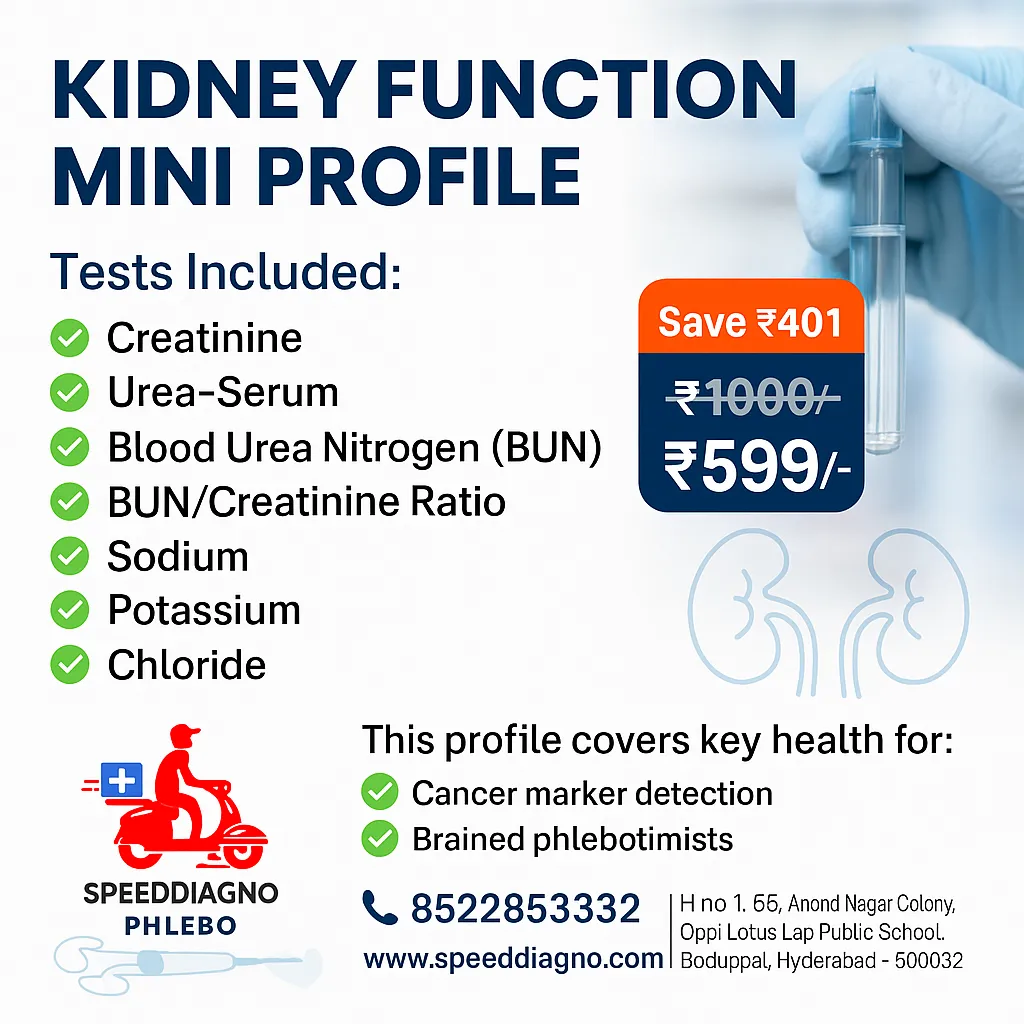
KIDNEY FUNCTION MINI PROFILE
EGFR (GLOMERULAR FILTRATION RATE, ESTIMATED)
CREATININE
BLOOD UREA NITROGEN ( BUN )
+3 more
₹599
₹1,200
Save ₹601
NABL