PROTHROMBIN TIME ( PT INR )
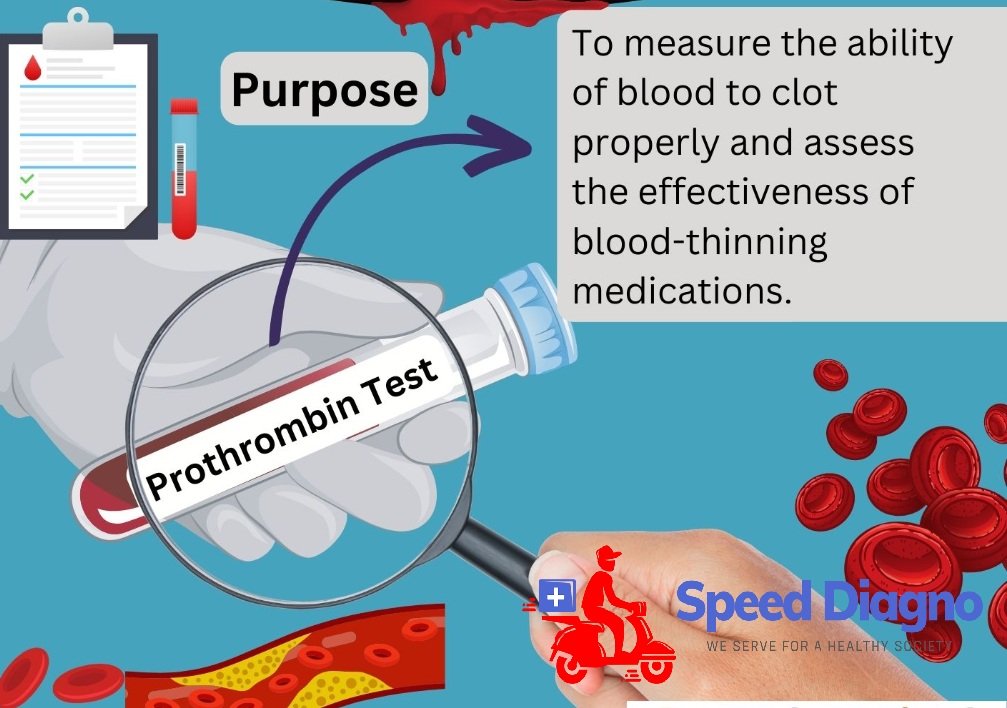
Why Is This Test Done?
Patient Preparation for PT/INR Sample Collection:
Medication Review:
Inform the healthcare provider of all medications, particularly anticoagulants like warfarin, as they significantly affect PT/INR levels.
Fasting:
Generally, fasting is not required for PT/INR tests, but it’s always good to follow specific instructions from the healthcare provider.
Avoiding Vitamin K-Rich Foods:
If on anticoagulants, maintaining a consistent intake of vitamin K-rich foods (e.g., leafy greens) is important as it can impact the effectiveness of the medication and INR results.
Timing of the Test:
For patients on anticoagulants, the test is often scheduled at specific intervals to monitor therapy and adjust dosage if necessary.
Rest and Stress:
Ensure the patient is rested and avoid situations that could cause stress or injury, as these can affect clotting factors.
Sample Collection:
A blood sample is drawn from a vein, usually in the arm.
The sample is collected in a tube containing an anticoagulant to prevent clotting before the blood is analyzed.
Clinical Significance:
Diagnosing Coagulation Disorders: Helps diagnose conditions like hemophilia and liver disease.
Monitoring Anticoagulant Therapy: Essential for adjusting the dose of anticoagulant medications to prevent clotting or bleeding complications.
Assessing Bleeding Risks: Evaluates bleeding risk before surgical procedures or during the management of bleeding disorders.
Preparation Instructions
for PT/INR Sample Collection:
Medication Review:
Inform the healthcare provider of all medications, particularly anticoagulants like warfarin, as they significantly affect PT/INR lev