Rubella (German Measles)- IgM
Why Is This Test Done?
Patient
Preparation: No special preparation is requiredDescription:
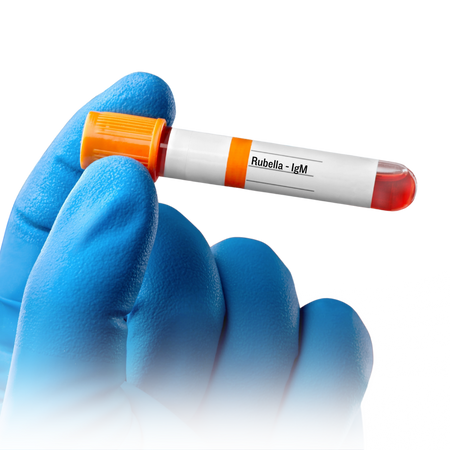
A rubella IgM test can help confirm a suspected case of rubella infection or congenital rubella syndrome (CRS). The test detects the presence of IgM antibodies to the rubella virus in the blood: When to testIgM antibodies are usually detectable 4 to 30 days after the onset of a rubella rash, or up to six months after birth in CRS cases. What it meansThe presence of IgM antibodies usually indicates an acute infection, but it may also be unspecific or persistent. Other testsOther tests that can help diagnose rubella include IgG antibody tests, which can help distinguish between recent infections and immunity due to past infection. VaccinationA person may also be rubella IgM positive after recent vaccination. Rubella can be prevented through vaccination, such as the MMR (measles, mumps, rubella) vaccine.
Preparation Instructions
No special preparation is requiredDescription:
A rubella IgM test can help confirm a suspected case of rubella infection or congenital rubella syndrome (CRS). The test detects the